· practice, technique
Why practice scales at all?
Scales are not music, but they are the shortest path to a left hand that knows the neck.
Nobody wants to hear a C major scale. That is roughly the whole argument against practicing them, and it is a good one, so let's take it seriously before answering it.
What a scale is for
A scale is a fingering problem with the notes already decided. When you play repertoire, your attention is split between the music and the hand. A scale removes the music. What's left is the hand: where it is on the neck, which finger reaches for which fret, when it shifts, and whether it lands.
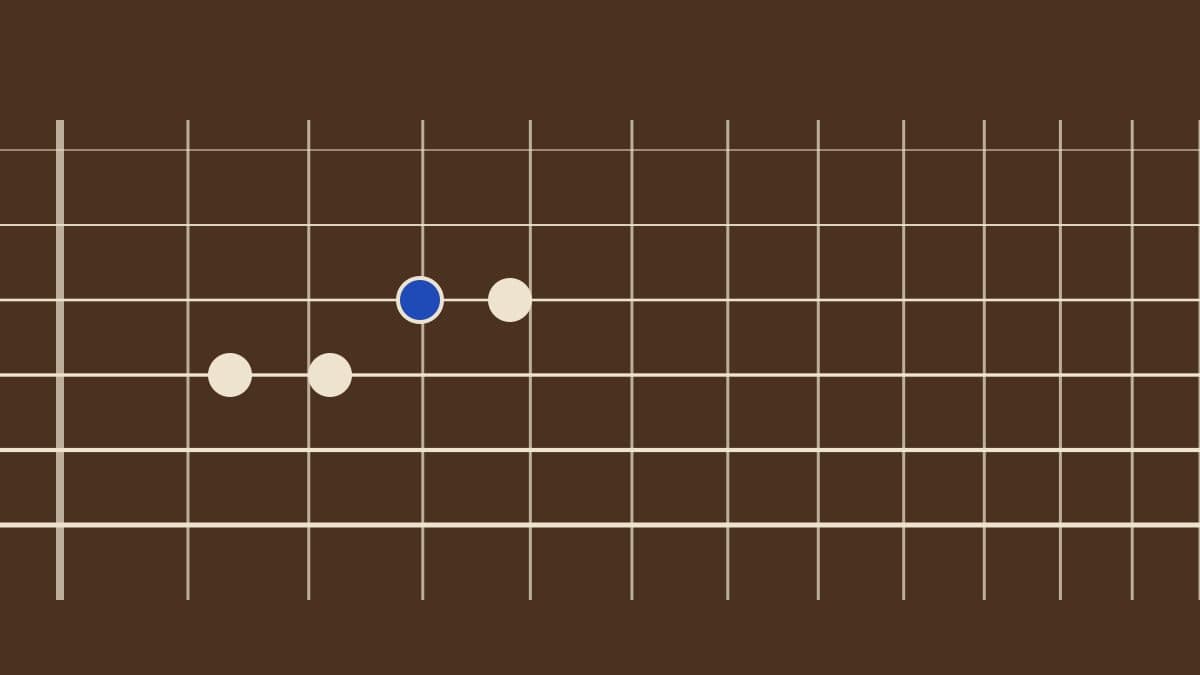
Segovia's edition arranges the 24 diatonic scales so that the hand travels through the positions it will meet in the repertoire. The C major scale, for example, starts in second position and moves to seventh on the way up:
The dot in blue is the B on the first string, seventh fret, where the hand has just shifted. Every shift in the book is a rehearsal for a shift you'll make in a piece.
The ladder
The other reason is rhythm. Segovia's own note on the scales suggests playing each one in quarters, then eighths, triplets, sixteenths, and so on, all at a steady tempo. We call that the ladder.
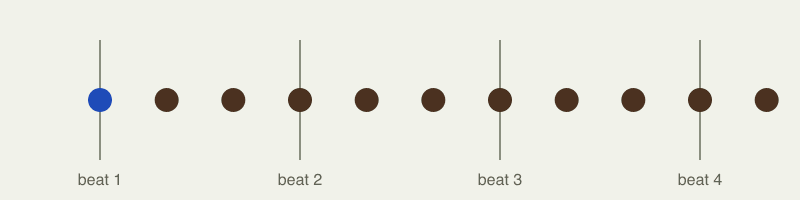
At 60 beats per minute, sixteenths mean 240 notes a minute. Thirty-seconds mean 480. Nothing about the notes changes between rungs, so the only thing you're training is the connection between the click and your right hand.
What scales are not for
They will not make you musical. They will not teach you phrasing, or tone, or when to breathe. Twenty minutes a day is plenty; more than that is time stolen from music. Use the ladder, stop when it's clean, and go play something.