· practice, ladder
What the ladder does
Eight rhythmic subdivisions at one tempo, and why the tempo never changes.
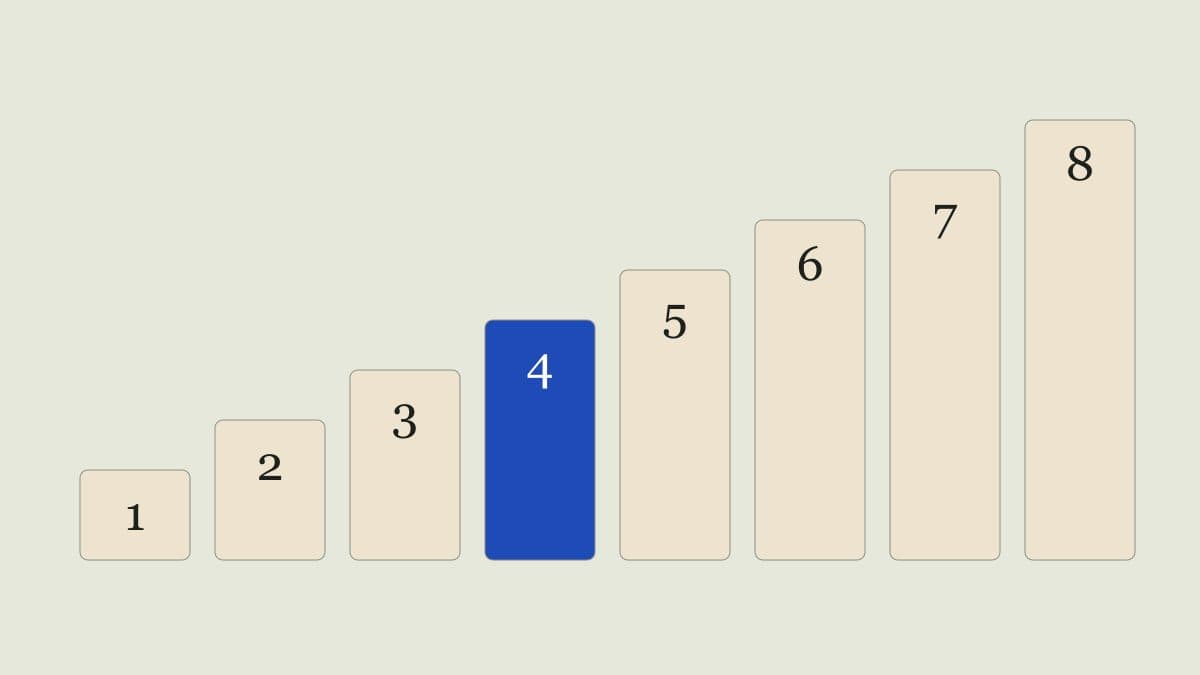
Most metronome practice works by raising the tempo. The ladder works by keeping the tempo and raising the number of notes per beat. Here is why that difference matters.
One click, eight rungs
Pick a rung below and watch what happens to the notes per minute.
The click stays at 60. The subdivision changes. Your ear keeps hearing the same beat all the way up, which means the feel of the pulse never has to be relearned. Sixteenths at 60 and eighths at 120 have the same note rate, but only one of them keeps the downbeat where your foot already is.
Odd rungs
Rungs 5 and 7 (quintuplets and septuplets) are the ones nobody plays. They are worth the trouble precisely because they resist the hand's tendency to group notes in twos and fours. If your quintuplets sound like a triplet plus a duplet, the ladder has found something.
Passes and padding
A scale rarely divides evenly into beats. C major up and down is 29 notes; at four per beat that is seven beats and one note. The tool pads each pass with rests so the next pass starts on beat one of a bar. That is deliberate: the downbeat is the only landmark you have, and it should always land where you expect it.
Auto-climb
After two clean passes the tool moves to the next rung. Two is the default because one clean pass can be luck. If you're working on a scale that is new to you, set it to three or four and let the tool be patient for you.